
Oklahoma May Vote Again on MMJ: SQ 788 Faces a Second Referendum
INDUSTRY INSIGHTS
In 2018, Oklahoma voters passed State Question 788, legalizing a broad mmj program that allowed qualifying patients to obtain mmj licenses and access products from OMMA licensed retailers. The initiative made Oklahoma one of the most permissive mmj states in the country, with relatively few qualifying conditions and a rapid rollout of businesses.
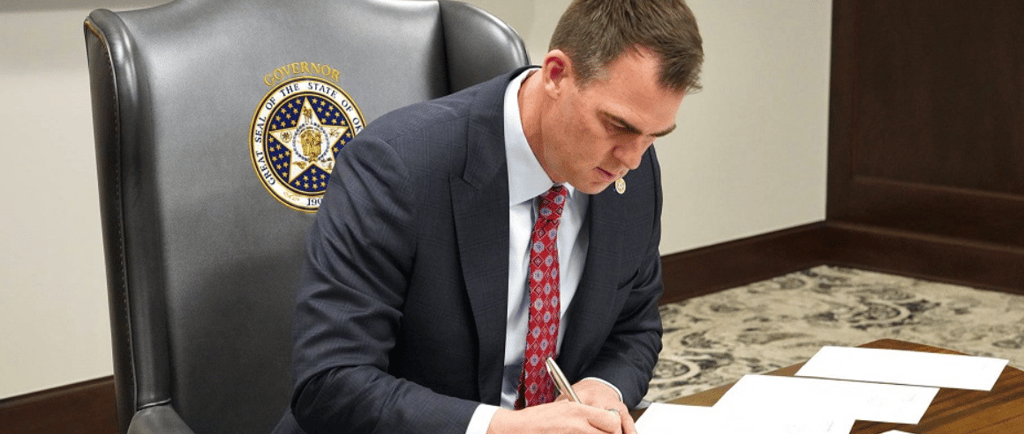
Now, in 2026, Governor Kevin Stitt is calling for a new state question that would let voters decide whether to shut down the state’s mmj program. Stitt has publicly framed the existing system as an out‑of‑control industry and a threat to public safety, pointing to concerns about bad actors, criminal influence, and what he describes as too many dispensaries. He has said the issue should be put back to voters so they can decide whether to keep or repeal SQ 788.
Under Oklahoma’s process, a new state question cannot be placed on the ballot without legislative approval. The governor can propose the idea, but the House and Senate must first pass a bill to send it to voters. Legal experts and the state attorney general have also warned that repealing SQ 788 could trigger complex legal questions, including potential obligations to reimburse mmj businesses for their investments if the program is dismantled.
SQ 788, as originally passed, allowed adults with a physician’s recommendation to obtain mmj licenses and purchase mmj from OMMA licensed retailers. It did not require patients to have a specific diagnosis list; instead, it gave doctors broad discretion to recommend mmj for any condition they believed could be helped. That flexibility helped drive rapid adoption but also fueled criticism that the program was too easy to access and poorly regulated in its early years.
In response to those concerns, Oklahoma lawmakers have already moved to tighten rules. Recent reforms include stronger protections for youth, limits on THC content in certain products, and enhanced education and recall procedures when unsafe products are found. State regulators have also issued embargoes and recalls on contaminated or mislabeled products, underscoring that oversight is an ongoing issue rather than a simple on‑or‑off choice.
We recently spoke with an Oklahoma mmj industry insider who asked to remain anonymous. He offered several pointed comments about the current debate:
“Threat to public safety? What threat? What objective evidence is there that consuming lab‑tested and state‑tracked mmj is a threat to the consumer or those around them? Is this a threat to safety or a threat to someone’s wallet or some company’s bottom line?”
He went on to say, “Major pharmaceutical and pharmacy companies such as Purdue Pharma, Janssen Pharmaceuticals (Johnson & Johnson), Viatris, Amneal, Apotex, Hikma, Sun Pharma, Walgreens, Walmart, and CVS have been involved in opioid‑related litigation and settlements totaling billions of dollars. These companies have also seen significant declines in opioid sales over the past decade. The insider suggested that financial interests could be influencing the push to revisit SQ 788, though he did not present direct proof.
The insider also questioned the role of political donations, asking why politicians are allowed to receive large “donations” from industries they regulate, comparing it to a corporate procurement manager taking kickbacks from suppliers. He concluded by emphasizing that patients should have the right to choose their own medical treatment, and that anyone trying to take that right away may have ulterior motives.
These quotes reflect one perspective in a much larger debate. On one side are concerns about public safety, youth access, and the size and structure of the mmj industry. On the other side are arguments about patient access, harm reduction, and the potential for mmj to reduce reliance on more dangerous medications, including opioids.
If Oklahoma voters do get a second chance to decide on SQ 788, several outcomes are possible. Repealing the initiative could lead to the winding down of mmj licenses and businesses, with complex legal and financial implications. Keeping SQ 788 would likely mean continued pressure to tighten regulations, improve product safety, and address concerns about youth use.
This article is not an endorsement of any particular position. The goal is to lay out what SQ 788 did, why Governor Stitt wants voters to revisit it, and what is at stake for patients, businesses, and the state.
If you want to stay updated on SQ 788 and other mmj‑policy developments, follow us on social media using the links here on this website. Drop a like, share this article with someone who cares about mmj policy, and join the conversation by commenting on our latest posts.
© 2026. All rights reserved.
Metrc-native cannabis software for OMMA-licensed operators. Built in Oklahoma, built for compliance.